For training providers
Can coaching and mentoring programmes be CPD accredited?
Published 29 October 2026 · 7 min read
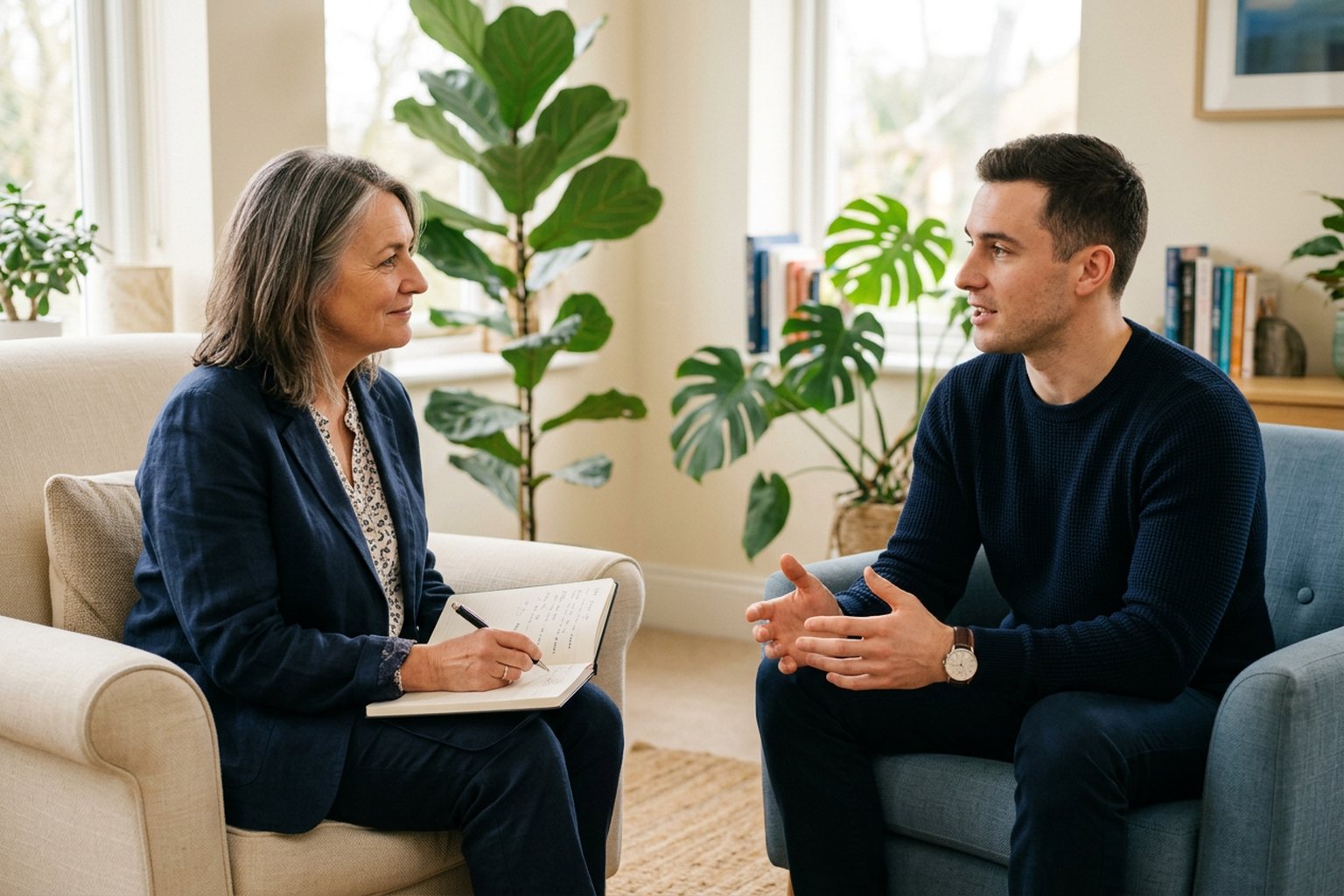
Short answer: yes, a coaching or mentoring programme can be CPD accredited when it is structured: stated learning outcomes, a defined number and length of sessions, a credible way to confirm learning, and a justified hours figure. Accreditation applies to the programme, not to the coach. It is not a coaching credential, and it does not replace the individual accreditation that coaching bodies award to coaches.
Coaching and mentoring are some of the most valuable development people do, and some of the hardest to evidence. A participant leaves a good programme genuinely changed, then struggles to show their professional body what they did. Programme owners face the mirror-image problem: an excellent programme with nothing independent to point to. CPD accreditation can help with both, but only if the programme is built in a way an assessor can actually assess. This guide explains what that means.
What exactly is accredited
Our what we accredit page lists coaching and mentoring programmes as “structured developmental programmes with defined objectives and review points”. Three things follow from that wording.
- It is the programme, not the person. We assess the design: what the programme sets out to achieve, how it is delivered and how learning is confirmed. We do not assess or credential individual coaches. Professional coaching bodies run their own accreditation schemes for that.
- It must be structured. An open-ended arrangement to “meet when useful” is valuable but not assessable. A programme with a defined shape is.
- It must have objectives and review points. The participant and the assessor both need to be able to see where the programme is going and how progress is checked.
How a coaching programme meets the six domains
Coaching programmes are assessed against the same six-domain Standards Framework as any course. The domains translate like this:
| Domain | What it looks like in a coaching or mentoring programme |
|---|---|
| D1 Learning design | A defined structure: number of sessions, their length and spacing, and what each stage is for. |
| D2 Learning outcomes | Programme-level outcomes written as capabilities, such as “apply a structured feedback model in a one-to-one conversation”. Individual goals can sit underneath, but the programme needs its own outcomes. |
| D3 Delivery and accessibility | A consistent professional standard across coaches or mentors, with any supporting materials usable and accessible. |
| D4 Assessment of learning | A credible check that outcomes have been met: a reflective task, a review against goals, or a practical demonstration, with a clear condition for completion. |
| D5 CPD-hour justification | Hours that reflect the structured contact time and any set work, justified honestly. |
| D6 Currency and review | A stated plan for reviewing the programme design and materials. |

The three parts that usually need work
1. Outcomes that belong to the programme
Coaching is personal, so programmes are often described only in terms of the participant’s own goals. That leaves nothing to assess. The fix is to state what every participant should be able to do by the end, then let individual goals sit within that frame. Our guide to writing learning outcomes that pass shows the difference between a topic and a measurable outcome.
2. A check of learning that suits coaching
A multiple-choice quiz rarely fits a coaching programme. The framework does not require one: a reflective task, an assignment or a practical demonstration are all credible methods, provided the method matches the outcomes and there is a clear condition for completion. A structured end-of-programme reflection reviewed against the stated outcomes is a common, workable answer. See how to design a CPD assessment.
3. An hours figure you can defend
Count the structured time the programme actually involves: the sessions themselves and any set work between them, such as a reflective log or a practice task, at a realistic estimate. Do not count unstructured time the participant may or may not spend thinking about it. Our guide to CPD hours explained sets out the principles.
Why programme owners do it
- Participants can evidence it. Many professional bodies count coaching and mentoring as CPD, but members still need a record. A certificate with outcomes, hours and a checkable reference makes that straightforward.
- Buyers can trust it. An organisation commissioning a leadership or mentoring programme can see it has met a published standard.
- The design gets sharper. Writing programme-level outcomes and a completion condition usually improves the programme itself.
What accreditation does not do
It does not make anyone an accredited coach, and it is not a coaching qualification. It is not approval by any coaching or professional body. The accurate claim is about the programme: “this programme is CPD accredited by AssuredCPD”, with the reference. See what you can and can’t claim.
Applying
Submit the same evidence as for any course: an outline of the programme structure and durations, the learning outcomes, representative materials (for example a session guide or participant workbook), how completion is assessed, the claimed hours with a short justification, and how the programme is kept current. The application form accepts uploads, a link or a pasted outline. Prices are on the pricing page.
Common questions
Can a coaching programme be CPD accredited?
Yes, if it is a structured programme with defined objectives and review points: stated learning outcomes, a defined number and length of sessions, a credible way to confirm learning, and a justified CPD-hours figure.
Does CPD accreditation make me an accredited coach?
No. AssuredCPD accredits the programme, not the person. It is not a coaching credential or qualification, and it does not replace individual coach accreditation from coaching bodies.
How is learning assessed in a coaching programme?
It does not have to be a quiz. A reflective task, an assignment or a practical demonstration can all be credible, as long as the method matches the outcomes and there is a clear condition for completion.
How do I work out CPD hours for a mentoring programme?
Count the structured time it actually involves: the sessions and any set work between them, at a realistic estimate. Do not count unstructured time, and be ready to justify the figure briefly.
Can individual coaching goals be the learning outcomes?
Not on their own. The programme needs outcomes that apply to every participant. Individual goals can then sit within that frame.
What do I need to submit?
A programme outline with session structure and durations, the learning outcomes, representative materials, how completion is assessed, the claimed hours with justification, and your review plan.